October 3, 2026
Most people associate an eye exam with reading letters on a chart, updating a prescription, or determining whether glasses or contact lenses are needed. While these are important parts of routine vision care, a comprehensive eye examination can reveal much more. The eyes contain delicate blood vessels, nerves, and tissues that can provide valuable information about both ocular health and changes occurring elsewhere in the body.
During an examination, an eye care doctor evaluates multiple structures of the eye rather than focusing exclusively on visual clarity. Changes involving the retina, optic nerve, blood vessels, cornea, and other structures may provide clues that further evaluation is necessary. This broader perspective makes routine eye care an important component of preventive health and can help patients identify concerns before noticeable symptoms interfere with daily life.
How Eye Doctors Evaluate Overall Eye Health
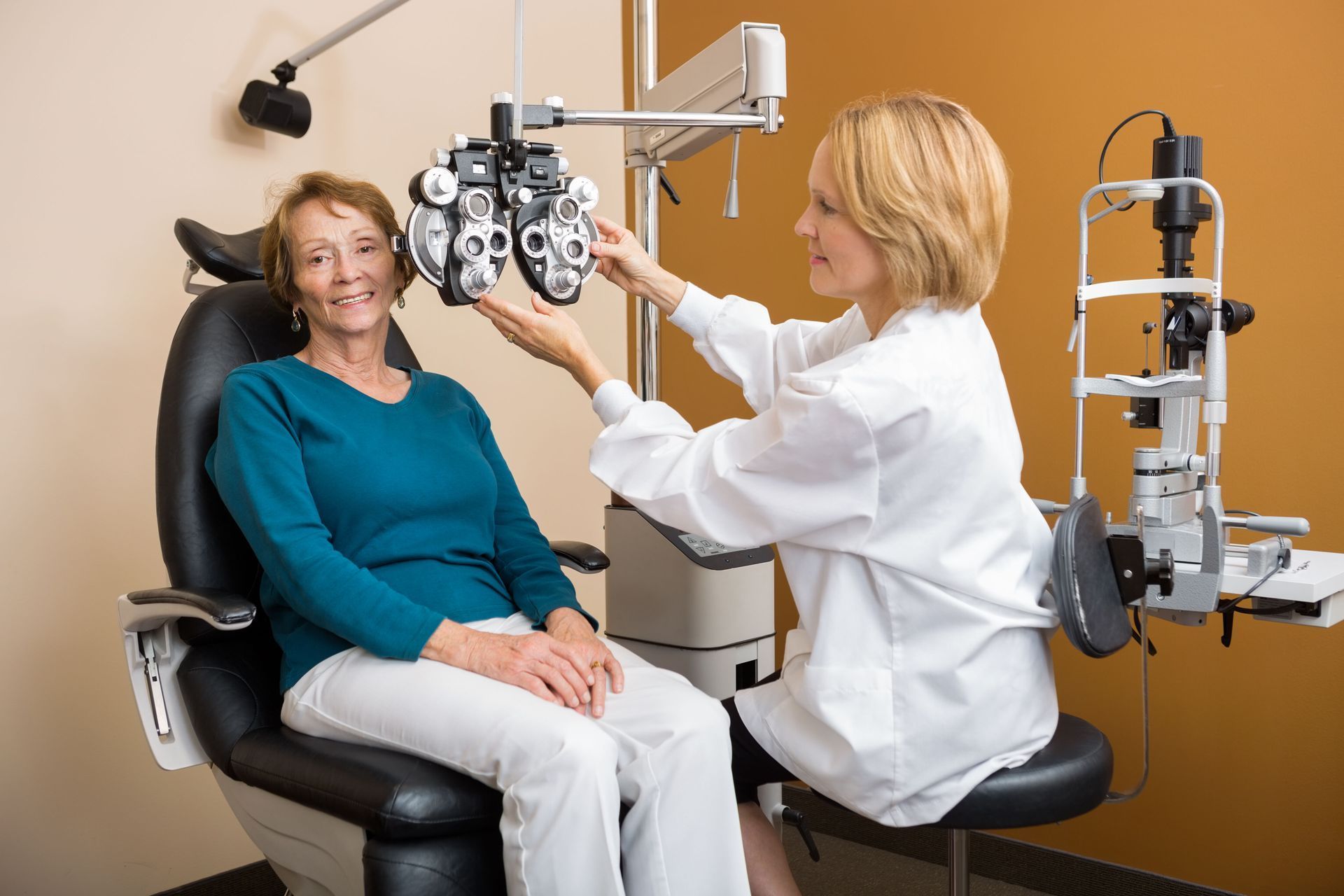
A comprehensive eye examination involves assessing how different parts of the visual system function together. An eye care doctor may evaluate visual acuity, eye movement, focusing ability, peripheral vision, pupil responses, and the physical condition of structures inside and around the eyes. These evaluations can help distinguish ordinary changes in vision from conditions that require closer attention.
Routine examinations also create a useful history of a patient’s eye health. When previous findings are available for comparison, subtle changes may become easier to recognize. Instead of evaluating a single moment in isolation, the provider can consider whether an observation is stable or has changed over time. This ongoing perspective can support earlier recognition of developing concerns and more informed recommendations for follow-up care.
How Eye Doctors Identify Signs of Eye Disease
Many eye diseases can progress before a patient realizes anything is wrong. Some conditions affect peripheral vision first, while others gradually alter the retina, optic nerve, lens, or cornea. Because the brain can compensate for certain visual changes, a person may not immediately notice that their vision is being affected.
An eye care doctor can look for physical signs associated with conditions that may threaten vision. Changes in eye pressure, optic nerve appearance, retinal tissue, or other structures can indicate that additional monitoring or testing is appropriate. Detecting these warning signs before significant symptoms appear may create opportunities for earlier management.
This is one reason routine examinations remain valuable even for people who believe they see perfectly well. Clear vision does not necessarily mean every structure of the eye is healthy. Eye health and visual sharpness are related, but they are not identical. A comprehensive evaluation considers both, providing a more complete picture than a simple vision screening can offer.
How Eye Doctors Recognize Changes in Blood Vessels
The retina contains a network of blood vessels that can be directly observed during an eye examination. Their appearance can sometimes provide useful information about vascular health. Changes involving vessel size, shape, leakage, bleeding, or surrounding retinal tissue may prompt an eye professional to recommend additional medical evaluation.
An eye care doctor does not diagnose every systemic condition solely through an eye examination. Instead, unusual findings can function as clues that deserve further investigation. When appropriate, the patient may be encouraged to discuss those observations with a primary care physician or another healthcare professional who can perform additional testing.
This connection between ocular and general health highlights the importance of communication among healthcare providers. Findings in the eyes may contribute another piece of information to a broader health assessment. For patients, this means an appointment that began as a routine vision check may occasionally identify something that deserves attention beyond corrective lenses.
How Eye Doctors Detect Possible Systemic Concerns
Certain health conditions can affect tissues and blood vessels throughout the body, including those inside the eyes. Changes related to circulation, inflammation, neurological function, and other processes may sometimes produce visible ocular findings. Because these signs are not always accompanied by discomfort or noticeable vision loss, professional examination can be especially useful.
An eye care doctor may notice findings that appear inconsistent with a patient’s previous examinations or expected eye health. Depending on what is observed, the provider may recommend monitoring, additional eye testing, or consultation with another medical professional. The purpose is not to assume that every unusual finding indicates a serious illness, but to make sure potentially meaningful changes are evaluated appropriately.
The growing need for professional eye care also reflects its role within healthcare. According to the Bureau of Labor Statistics, employment of optometrists is projected to grow 9% from 2023 to 2033, which is faster than the average for all occupations at 4%. Regular access to qualified professionals helps patients address both changing visual needs and concerns involving long-term eye health.
How Eye Doctors Assess Neurological Warning Signs
The eyes and brain are closely connected through the visual system. The optic nerve carries visual information from the eye to the brain, while numerous neurological processes control eye movement, pupil responses, coordination, and visual interpretation. Because of this relationship, certain abnormalities involving the eyes may warrant further neurological evaluation.
During an examination, an eye care doctor can observe how the pupils respond to light, how the eyes move together, and how the optic nerves appear. Unexpected differences or changes may provide information that helps determine whether additional investigation is needed. Visual field testing and other specialized assessments can also reveal patterns that are not obvious to the patient during everyday activities.
Symptoms such as unexplained double vision, sudden visual disturbances, or unusual changes in peripheral vision should receive professional attention rather than being dismissed. Although such symptoms can have many possible explanations, evaluating them promptly allows the appropriate healthcare professionals to determine their significance and recommend suitable next steps.
How Eye Doctors Monitor Changes Over Time
One of the greatest benefits of regular eye examinations is the ability to establish a baseline. A single finding may be difficult to interpret without context, but repeated examinations allow providers to compare changes in vision, eye pressure, retinal appearance, optic nerve health, and other characteristics.
An eye care doctor can use this history to determine whether a finding appears stable or is progressing. This can be particularly important for conditions that develop gradually. Monitoring may help professionals recognize patterns that would be less noticeable without previous examination records for comparison.
Regular visits also give patients opportunities to discuss changes that may seem minor. Eye strain, difficulty focusing, increased sensitivity to light, headaches associated with visual tasks, or changes in night vision can provide useful context. Sharing these observations helps the provider evaluate both symptoms and examination findings together rather than treating them as unrelated concerns.
How Eye Doctors Support Preventive Health Care
Preventive care is not limited to addressing problems after symptoms appear. It also involves creating opportunities to identify changes early and determine whether additional attention is appropriate. Routine eye examinations support this approach by evaluating structures that patients cannot assess simply by noticing how clearly they can see.
Maintaining an ongoing relationship with an eye care doctor can also make it easier to recognize meaningful changes between visits. The provider becomes familiar with the patient’s visual history, previous findings, corrective needs, and other relevant information. When something changes, there is a clearer point of comparison.
Patients can contribute to this process by communicating new visual symptoms and keeping recommended appointments. Comprehensive eye care works most effectively as an ongoing part of general wellness rather than something reserved only for broken glasses or noticeably blurred vision. Consistent professional evaluation helps protect visual function while also providing an additional window into changes that may deserve broader medical attention.
How Eye Doctors Help Protect Long-Term Wellness
Eye examinations offer far more information than whether a prescription needs to be adjusted. By evaluating the retina, optic nerve, blood vessels, eye movements, pupils, and other structures, eye professionals can identify changes that may affect vision and occasionally uncover signs that warrant evaluation elsewhere in the healthcare system.
This broader role makes routine eye care an important part of maintaining long-term wellness. At Weber Optiks, we are committed to helping our patients understand their eye health through thorough professional care. Contact us to schedule an examination and learn how our team can help protect your vision and support your ongoing eye health.